


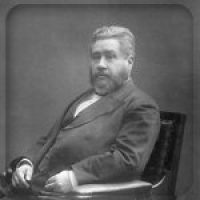
REPENTANCE UNTO LIFE – Charles Spurgeon
Repentance Unto Life
Introduction
“Then has God also to the Gentiles granted repentance unto life.” — Acts 11:18.
One of the greatest obstacles the Christian religion ever overcame was the inveterate prejudice which possessed the minds of its earliest followers. The Jewish believers, the 12 apostles, and those whom Jesus Christ had called from the dispersed of Israel were strongly attached to the idea that salvation was of the Jews. They believed that only the disciples of Abraham, or at least those who were circumcised, could be saved. They could not bring themselves to the thought that Jesus had come to be the Savior of all nations and that in Him all the people of the earth would be blessed.
It was with difficulty they could allow this supposition. It was so opposite to all their Jewish education that we find them summoning Peter before a council of Christians, accusing him with, “You went in to men uncircumcised and ate with them.” Nor could Peter exonerate himself until he had fully rehearsed the matter, explaining that God had appeared to him in a vision, declaring, “What God has cleansed, that call not you common,” and that the Lord had commanded him to preach the gospel to Cornelius and his household because they were believers.
After this, the power of grace was so mighty that these Jews could no longer withstand it. In defiance of all their previous education, they immediately adopted the broad principle of Christianity and glorified God, saying, “Then has God also to the Gentiles granted repentance unto life.”
Let us bless God that we are now free from the chains of Judaism and that we are not under those of a Gentilism which, in turn, has excluded the Jew. Let us praise God that we live so near the blessed time when Jew and Gentile, bond and free, shall feel themselves one in Jesus Christ, our Head! However, my subject this morning is “Repentance Unto Life.” May God grant me grace to speak so that His word may be as a sharp sword, “piercing even to the dividing asunder of soul and spirit, and of the joints and marrow.”
What is Repentance Unto Life?
By “Repentance unto life,” I think we are to understand a repentance that is accompanied by spiritual life in the soul and ensures eternal life to everyone who possesses it. Repentance unto life,” I say, brings with it spiritual life, or rather, is the first consequence thereof.
There are repentances that are not signs of spiritual life, but of natural life. They are only effected by the power of the conscience and the voice of nature speaking in men. But the repentance here spoken of is produced by the Author of life. When it comes, it begets such life in the soul that the one who was “dead in trespasses and sins” is quickened together with Christ. The one who had no spiritual susceptibilities now “receives with meekness the engrafted word.” He who slumbered in the very center of corruption now receives power to become a son of God and to be near His throne!
This, I think, is “repentance unto life”—that which gives life to a dead spirit. I have also said that this repentance ensures eternal life because there are repentances which men speak of that do not secure the salvation of the soul. Some preachers affirm that men may repent and believe, and yet may fall away and perish. We will not consume our time by stopping to expose their error this morning. We have often considered it before and refuted all they could say in defense of their dogma!
Let us think of an infinitely better repentance. The repentance of our text is not their repentance, but it is a “repentance unto life.” It is a repentance which is a true sign of eternal salvation in Christ—a repentance which preserves us through this temporary state in Jesus, and which, when we are passed into eternity, gives us a bliss which cannot be destroyed. “Repentance unto life” is the act of salvation of the soul—the germ which contains all the essentials of salvation, securing them to us and preparing us for them.
False Repentances
We are to give careful and prayerful attention to “repentance unto life” this morning. First, let us consider false repentance. I will begin with this remark: trembling beneath the sound of the gospel is not “repentance.” Many men, when they hear a faithful gospel sermon, are deeply stirred and moved by it. By a certain power accompanying the Word, God testifies that it is His own Word, and He causes those who hear it involuntarily to tremble.
I have seen some men, while the truths of Scripture have been preached from this pulpit, whose knees have knocked together and whose eyes have flowed with tears as though they were fountains of water! I have witnessed the deep dejection of their spirits. Yet, my hearers, you may be very much disturbed under the preaching of the gospel, and still not have “repentance unto life.” You may know what it is to be seriously affected when you go to God’s house and yet remain hardened sinners.
Consider an example: Paul stood before Felix with chains upon his hands, and as he preached of “righteousness, temperance, and of judgment to come,” it is written, “Felix trembled.” Yet procrastinating Felix is in hell with the rest of those who have said, “Go your way for this time. When I have a more convenient season, I will call for you.” There are many of you who tremble when in God’s house, but have never repented of your sins or turned to God!
Further still, it is quite possible that you may not only tremble before God’s Word, but may become like an amiable Agrippa, almost persuaded to turn to Jesus Christ, yet never truly repenting. You may even desire the gospel! “Oh, this gospel is such a good thing I wish I had it!” you may say. But it must enter the heart before you can truly repent! You may be almost persuaded, but without true repentance, you are still lost.
How many of you have been “almost persuaded” and yet remain outside of the way of eternal life? How often has conviction brought you to your knees, but you have never fully repented? See that corpse? It seems almost alive, but life is gone! So it is with you—you are almost alive, you have almost every external mark of religion, but you have not life!
The Temporary Nature of False Repentance
It is possible for men to humble themselves under the hand of God, yet still be total strangers to repentance. They renounce certain vices, clothe themselves in sackcloth, and weep before God! Yet, with all that, their repentance is only temporary. They go back to their sins again! You may humble yourselves before God for a time, yet remain slaves to your transgressions.
Consider Ahab, who coveted the vineyard of his neighbor Naboth, and had him killed to take it. Afterward, he humbled himself before God, and the Lord spared him from judgment for a while. But in the very next chapter, Ahab rebelled, and in battle, he was slain, and the dogs licked his blood in the very vineyard he had stolen. You may humble yourself temporarily and yet remain impenitent.
You may be afraid of damnation, but not afraid of sinning. You may tremble at hell but continue to sin. If hell were extinguished, your repentance would be extinguished! If the terrors awaiting you were withdrawn, you would sin with a higher hand than before! You must ask yourselves whether you have “repentance unto life” or if you are merely trembling before the consequences.
Now, having warned you about the many false types of repentance, let us turn to the signs of true repentance. First, true repentance involves sorrow. No one ever truly repents without some sorrow for sin. The sorrow may be more or less intense, but there must be some sorrow. If there is no sorrow, there is no true repentance.
I knew a man once who professed repentance and was externally changed. Yet, I never saw any real sorrow for sin. He had what I call an ecstatic jump into grace, but it was no genuine sorrow or repentance. No one can truly come to Christ without feeling that sin is a hateful thing. It put Jesus to death!
You who have tearless eyes, unbended knees, and unbroken hearts—how can you think you are saved? The gospel promises salvation only to those who truly repent. Even if actual tears do not flow, there must be sorrow—a groan if there are no words. There must be real sorrow, though small.
True repentance also involves practical action. It is not enough to merely feel sorry. Many people claim to be penitent for their past sins. “Oh, I deeply regret that I should have been a drunk,” they say. Yet, when the clock strikes one, you will find them at it again! How can they say they have repented if they continue in the same sin immediately after?
You can know whether your repentance is practical by this test: Does it last? Many of you experience a temporary repentance. Some days you may be deeply penitent, but do you go back to your sins afterward? How long does your repentance last? Does it last for months or until you’re buried in your grave? If it does not last, it is not true repentance.
The Enduring Nature of True Repentance
Do you think you would repent if no punishment were placed before you? Suppose there were no hell, and you could sin with impunity—would you still desire holiness? Would you still desire to live like Christ? True repentance is not based on fear of punishment, but on the hatred of sin itself.
True repentance is a lifelong act. It will continually grow. A Christian on their deathbed will likely repent more deeply than ever before. It is a lifelong process—sinning and repenting, believing and repenting—until Christ returns.
Repentance, though imperfect in this mortal state, will grow. God grants us grace for repentance, and if you sincerely repent, you will grow in it as you go forward in the faith. Do not expect perfect repentance at first, but be sincere in your penitence, and it will deepen over time.
Conclusion
These few thoughts open the subject of “Repentance unto life.” True repentance involves sorrow for sin, a change in behavior, lasting commitment, and a deep, abiding hatred of sin. Let us seek this true repentance, which brings life, and let us press forward, with the grace of God, toward a deeper and more lasting repentance. May our repentance be genuine and our lives transformed.
If you can say, in sincerity, that you have turned to God and hate your sin with an everlasting hatred, you need not fear but that you have a “repentance” which is “unto life.” This is the true repentance that leads to salvation and life eternal, a gift given by God Himself.
The Blessed Beneficence of God
Now, let us consider the third and final point: The Blessed Beneficence of God in granting to men “repentance unto life.” Repentance, my dear friends, is the gift of God! It is one of those spiritual favors that ensures eternal life. It is the marvel of divine mercy that it not only provides the way of salvation and invites men to receive grace, but that it positively makes men willing to be saved.
God punished His Son, Jesus Christ, for our sins, and in doing so, He provided salvation for all His lost children. He sends His ministers, who bid men repent and believe, laboring to bring them to God. Yet, men often will not listen to the call and despise the minister. But then, another messenger is sent—a heavenly ambassador who cannot fail. This messenger summons men to repent and turn to God. Their thoughts may be a little wayward, but after the divine Spirit pleads with them, they forget what manner of men they were, and they repent and turn!
A Stupendous Act of Mercy
Now, what would we do if we had been treated as God is? If we had made a supper or feast and sent out messengers to invite guests, what would we do if they refused to come? Would we go to all lengths to visit them and convince them to attend? If they sat down and said they could not eat, would we force their mouths open? Would we compel them to eat?
Ah, beloved, I am inclined to think you would not do so. If you had signed the letters of invitation and the invited refused to come, would you not say, “You shall not have it”? But what does God do? He says, “Now I will make a feast. I will invite the people, and if they do not come, My ministers shall go out and fetch them. I will say to My servants, ‘Go you out into the highways and hedges and compel them to come in, that they may partake of the feast I have prepared.’”
Is it not a stupendous act of divine mercy that God not only sets a feast before men but also makes them willing to come and partake? He does not do it by force, but by using a sweet spiritual persuasion. At first, they are as unwilling as can be to be saved. But God says, “That is nothing. I have the power to make you turn to Me, and I will!”
The Holy Spirit then brings the Word of God home to the consciences of His children in such a blessed manner that they can no longer refuse to love Jesus. Mark you, not by force against the will, but by a sweet spiritual influence that changes the will.
The Sweet Constraint of God’s Love
O, you lost and ruined sinners, stand here and admire my Master’s mercy! He sets not only a feast of good things before men, but He induces them to come and partake of them. He compels them to continue feasting until He carries them to the everlasting mansion. And as He bears them up, He says to each one, “I have loved you with an everlasting love; therefore, by My loving-kindness I have drawn you. Now, do you love Me?”
“Oh, Lord,” they cry, “Your grace in bringing us here proves that You do love us, for we were unwilling to go. You said, ‘You shall go.’ We said, ‘We would not go,’ but You have made us go. And now, Lord, we bless You and love You for that force—it was sweet constraint.”
Repentance as a Gift of God
Some of you may say, “Sir, I have been trying to repent for a long time. In pains and afflictions, I have been praying and trying to believe, doing all I can.” I will tell you this—you will try a long time before you will be able to do it on your own. That is not the way to get it. Repentance is not something you can achieve by mechanical effort.
I once heard of two gentlemen traveling together. One said to the other, “I don’t know how it is, but you always seem to remember your wife and family, and everything you encounter reminds you of them. I try to bring them to mind constantly, but I never can.” The other replied, “That is the very reason—you try. If you could just connect them with every little circumstance, you would easily remember them. I think at such-and-such a time, ‘Now they are rising.’ At another time, ‘Now they are at prayers.’ In this way, I have them constantly before me.”
I think the same happens with repentance. If a man says, “I want to believe,” and tries by mechanical means to work himself into repentance, it is an absurdity. He will never accomplish it this way! The way for him to repent is by God’s grace to believe. If he fixes his heart on Jesus, if he contemplates the wounded, bleeding side, the crown of thorns, and the tears of anguish, I believe he will turn to Christ in repentance!
Looking to Jesus for Repentance
I would stake my reputation in spiritual things on this truth—that a man cannot, under God’s Holy Spirit, contemplate the cross of Christ without a broken heart. If it is not so, then my heart is different from anyone else’s. I have never known a man who has thought upon and taken a view of the cross who has not found that it begets “repentance” and faith.
We look at Jesus Christ if we would be saved, and we then say, “Amazing sacrifice! That Jesus thus died to save sinners.” If you want faith, remember, He gives it. If you want repentance, He gives it. If you want everlasting life, He gives it liberally.
The Power of Calvary’s Cross
He can force you to feel your great sin and cause you to repent by the sight of Calvary’s cross. When you hear the greatest, deepest death shriek, “Eloi! Eloi! Lama Sabacthani?”—“My God! My God! Why have You forsaken Me?”—this will bring “repentance.” It will make you weep and say, “Alas, and did my Savior bleed? And did my Sovereign die for me?”
Then, beloved, if you would have “repentance,” my best advice to you is: Look to Jesus! And may the blessed Giver of all “repentance unto salvation” guard you from the false repentances which I have described and give you that “repentance” which exists unto life.
Conclusion: A Call to Repentance
“Repent! The voice celestial cries,
Nor longer dare delay.
The wretch that scorns the mandate, dies,
And meets a fiery day!
No more the sovereign eye of God
Overlooks the crimes of men;
His heralds are dispatched abroad
To warn the world of sin!
The summons reach thro’ all the earth
Let earth attend and fear!
Listen, you men of royal birth,
And let your vassals hear!
Together in His presence bow,
And all your guilt confess—
Embrace the blessed Savior now,
Nor trifle with His grace.
Bow, before the awful trumpet sounds,
And calls you to His bar—
For mercy knows the appointed bound
And turns to vengeance there.”